Diving & Exploration
A life underwater.
Forrest Gauthier was first certified as an L.A. County SCUBA diver at Catalina Island in 1971. More than fifty years later, underwater exploration, technical diving, and life-support innovation remain central to his work.
His path moved from recreational diving to technical instruction, hyperbaric training, rebreather development, military-adjacent field testing, and the creation of Blue71 Global, a company built to make underwater exploration safer and more accessible.
First Certified
1971
L.A. County SCUBA diver at Catalina Island, California.
Certifications
80+
Across recreational, technical, and military-adjacent diving disciplines.
Instructor Trainer
PADI · SDI · TDI · DAN
Technical instructor-trainer and hyperbaric chamber instructor.
Recognition
20 Years
Recognized by PADI in 2023 for outstanding service as an instructor trainer.
The Dive Path
From open water to technical instruction.
Forrest trained progressively through the diving ladder: recreational diver, advanced diver, rescue diver, divemaster, instructor, technical instructor, and ultimately technical instructor-trainer.
That progression gave him a practical foundation for the later work: rebreather design, safety systems, field testing, and new ways to expand access to the underwater world.
Catalina Island · 1971
L.A. County SCUBA certification
His first formal certification began a lifelong relationship with the underwater world.
Earned Certifications
Recreational, rescue, divemaster, and instructor
Forrest continued through the full teaching pathway, building a practical base in training, safety, and diver development.
Technical Diving
Technical instructor-trainer
He became credentialed by PADI, SDI, TDI, and DAN, with additional qualification as a hyperbaric chamber instructor.
Course Author
PADI technical and hyperbaric training courses
Forrest authored two PADI training courses: one on technical diving and one on hyperbaric chamber operations.

Rebreather Technology
Where exploration became invention.
Forrest began diving rebreather systems in 1998 and became a rebreather instructor in 2006. His technical work in this area led to collaboration with leading researchers and practical contributions to systems used by recreational, scientific, and military divers.
Safety systems
Development work focused on safer, more automated breathing systems for underwater use.
Controller design
Through Tesseron, Forrest developed replacement controllers for established rebreather platforms.
Applied testing
His work moved beyond theory into real-world systems, testing, and operational use.
Technical Collaborators
Built with people who understand the edge cases.
Forrest’s rebreather work connected him with leading experts in dive technology, physiology, ocean science, and expedition support.
RebreathersDr. Jeff Bozanic
TechnologyDr. Arne Sieber
SystemsMartin Parker
DesignTomar Gross
ScienceDr. John Clark
Ocean PolicyAdmiral Tim Gallaudet
ExplorationDr. Dave Gallo
ImagingEvan Kovacs
Field Testing
Work that had to perform outside the lab.
At the request of a prime contractor, Forrest provided technical consultation for, organized, and participated in ocean diving tests for a classified military special forces rebreather. That unit is now fully deployed and in active service across multiple branches of the U.S. Armed Forces.

Image Story
The work has always been hands-on.
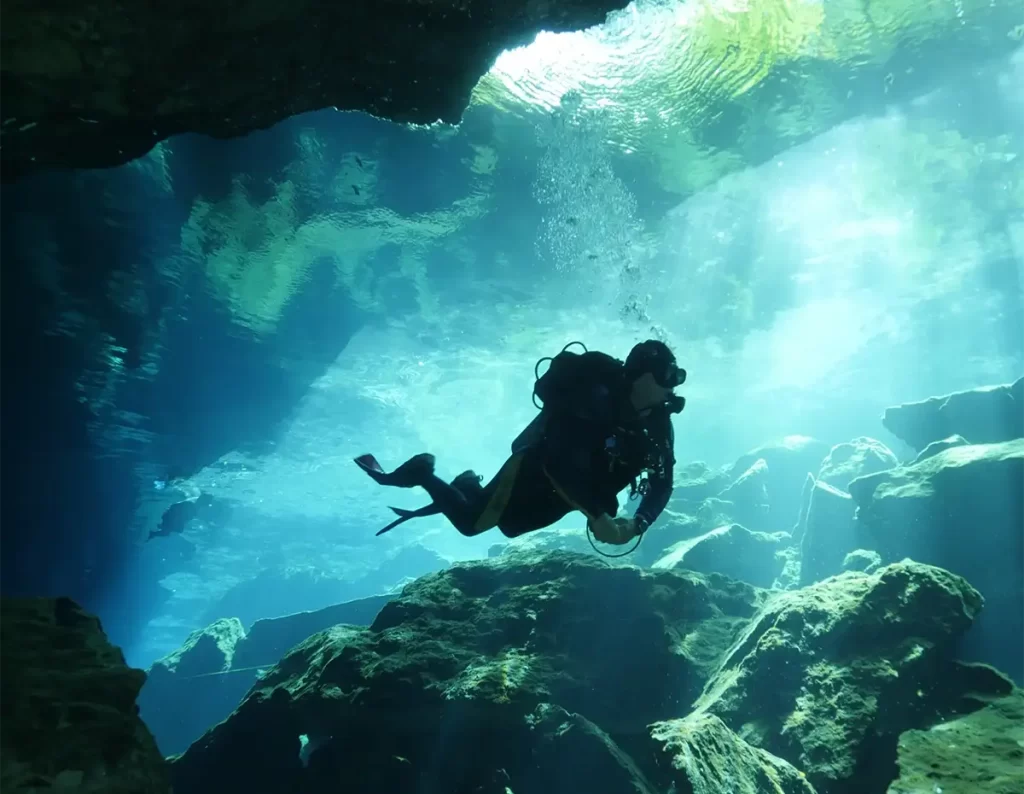
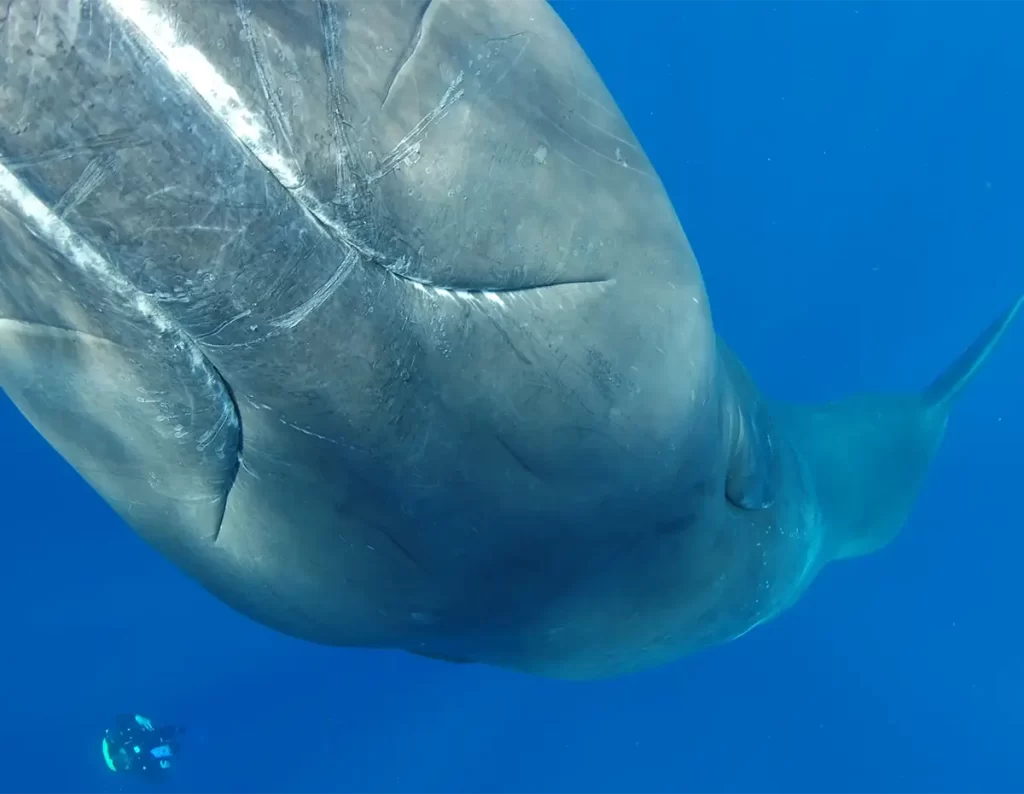
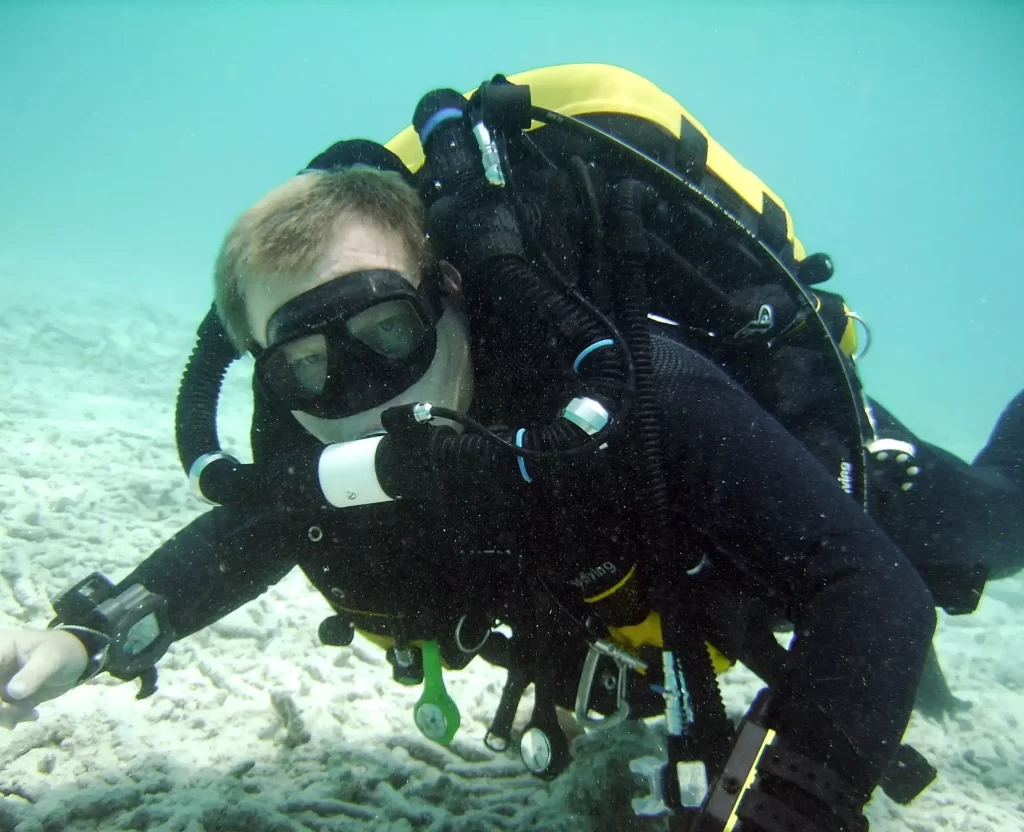
From early scuba training and technical instruction to rebreather development and Blue71, Forrest’s underwater work has been built through direct experience in the field.

Blue71 Global
Making underwater exploration safer, easier, and more accessible.
Forrest founded Blue71 Global, Inc. to develop and deploy water-based experiences, products, and programs built on his rebreather patent portfolio and ocean expertise.
Blue71 is built around a simple idea: transforming a snorkeler into an underwater explorer creates a deeper connection to the ocean. That connection can support conservation, loyalty, repeat engagement, citizen science, and a broader public relationship with the underwater world.